
Chimneys Built for New Appliances
Chimney installation in Fort Smith for homes adding wood stoves or inserts where no flue currently exists
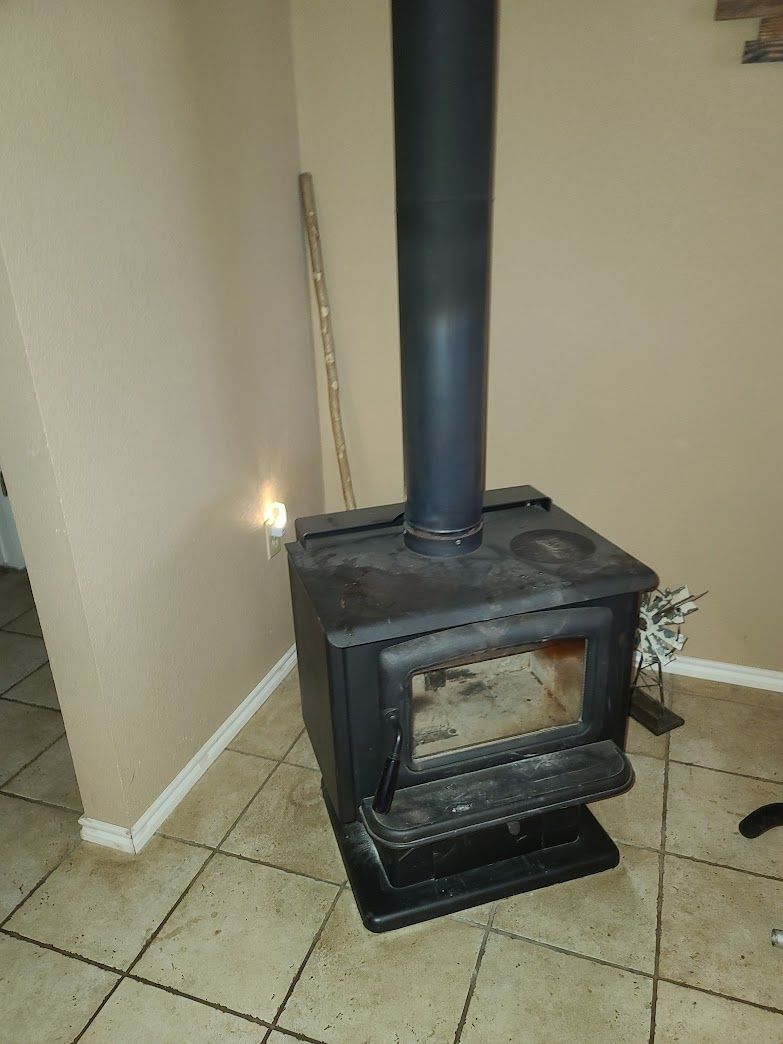
Many homes in Van Buren and Greenwood were built without a fireplace and are now adding a wood stove or insert for supplemental heat, which requires a properly sized flue with correct clearances to combustible framing, roofing, and siding. Pro Qual Services installs chimneys and fireplace equipment in Fort Smith and Van Buren, including stoves, inserts, and the flue systems required to vent them safely. The installation begins with a site check of the route for the new chimney, the clearances to combustibles along that route, and the location where the flue will penetrate the roof, so the system is sized and routed correctly before any cutting or assembly begins.
The appliance, flue pipe, chimney sections, and any hearth or floor protection are sized to match the stove or insert manufacturer's specifications, which ensures the unit drafts properly and meets code requirements. The flue is sealed at every joint, and the installation is checked before the first fire. You should ask what the installation includes: the appliance itself, the chimney pipe, the hearth pad or floor protection, the roof flashing and storm collar, and any permit or inspection required by the local building department. Each of those items is listed separately on the quote so there is no confusion about what is provided.
Schedule a site evaluation to confirm the flue route and review appliance options before ordering equipment.
What Proper Installation Requires
Installing a chimney through an existing roof involves cutting a penetration at the correct angle, flashing the opening to shed water away from the pipe, and maintaining code-required clearances to roof sheathing, rafters, and insulation. The flue pipe is secured at each floor level and at the roof penetration, and a storm collar and cap are installed at the top to prevent rain from entering the flue. The appliance connection to the flue must be sealed and supported, and the hearth or floor beneath the stove must be protected with a non-combustible pad that extends beyond the stove's footprint according to code.
Once the installation is complete, you will notice that the stove or insert draws air efficiently without smoking back into the room, the flue remains sealed against weather, and the hearth pad protects the flooring from heat and embers. The system operates as designed, and the installation meets the requirements for the manufacturer's warranty and the building permit.
Installations follow ICC, IRC, CSIA, and NFI requirements, and the owner is a CSIA-certified chimney sweep. The business is licensed and insured, and all work is documented for permit closeout and future reference.
Common Questions About This Service
Homeowners in Van Buren and Fort Smith often need to understand what the installation includes and what decisions must be made before work begins.
What is the difference between a chimney for a wood stove and a chimney for a fireplace insert?
A wood stove requires a freestanding flue that runs from the stove collar through the ceiling and roof to the cap, while a fireplace insert connects to an existing masonry chimney or requires a liner installed inside the existing flue, and the installation approach depends on whether a masonry chimney is already present.
How is the flue sized to the appliance?
The flue diameter is specified by the stove or insert manufacturer and must match the appliance outlet, because an oversized flue will not draft properly and an undersized flue creates excessive backpressure and increases creosote buildup.
What clearances to combustibles are required during installation?
The flue pipe must maintain a minimum distance from wood framing, drywall, insulation, and roofing as specified by the manufacturer and building code, and those clearances vary depending on whether the pipe is single-wall or insulated, with insulated pipe allowing closer placement to combustibles.
Why is a hearth pad required beneath a wood stove?
The hearth pad protects the floor from heat radiated by the stove and from embers that fall when the door is opened, and the pad must be non-combustible and extend a minimum distance in front of and to the sides of the stove as specified by the manufacturer and code.
What permits and inspections are required for chimney installation in Fort Smith?
Most installations require a building permit from the local jurisdiction, and the work is inspected before the chimney is covered or concealed to verify clearances, flashing, and appliance connection, and the permit is closed once the inspection passes.
Pro Qual Services also installs chimneys and fireplace equipment in Greenwood, Van Buren, Barling, Alma, and Lavaca. Call (479) 670-0470 to discuss your installation and receive a detailed quote that lists every component and service included.